![Gerhard Richter - Swan (2) (Schwan [2]), 1989](/vitruvius/render/300/461060.jpg)


Made to Order
On-Demand Printing
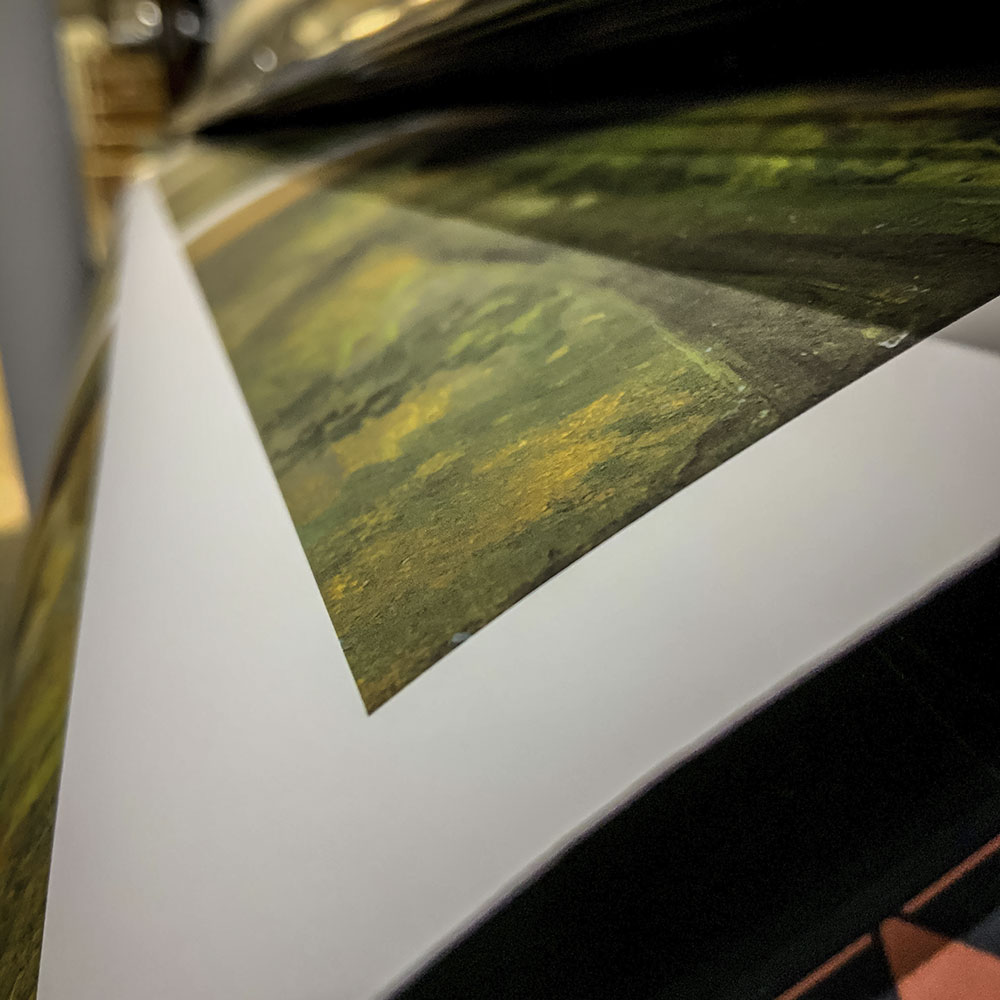
All products are produced on-demand, in accordance with stringent production protocols designed to ensure consistent and superior quality.

Salvador Dalí painted this allegory of self-inflicted carnage while living in Paris in early 1936, on the eve of the devastating civil war in his Spanish homeland between Francisco Franco’s right-wing nationalist forces and the elected Republic. The painting flaunts its flair for gruesome detail. A grimacing colossus towers over a sunbaked Spanish landscape and deliriously rips itself apart. Limbs are switched around and turned upside down, and the body’s trunk is missing entirely. A limp phallic shape draped over the truncated hip is a striking example of Dalí’s soft forms, implicitly referring to putrefaction and death. The scattered beans of the title exemplify the bizarre incongruities of scale to conjure the workings of an unconscious mind. Dalí interpreted the Spanish conflict in psychoanalytic terms, and he included an homage to Sigmund Freud, the initiator of psychoanalysis whose work inspired him to embrace such nightmarish visions, by including a tiny portrait of Freud inspecting the gnarled hand at lower left.