Made to Order
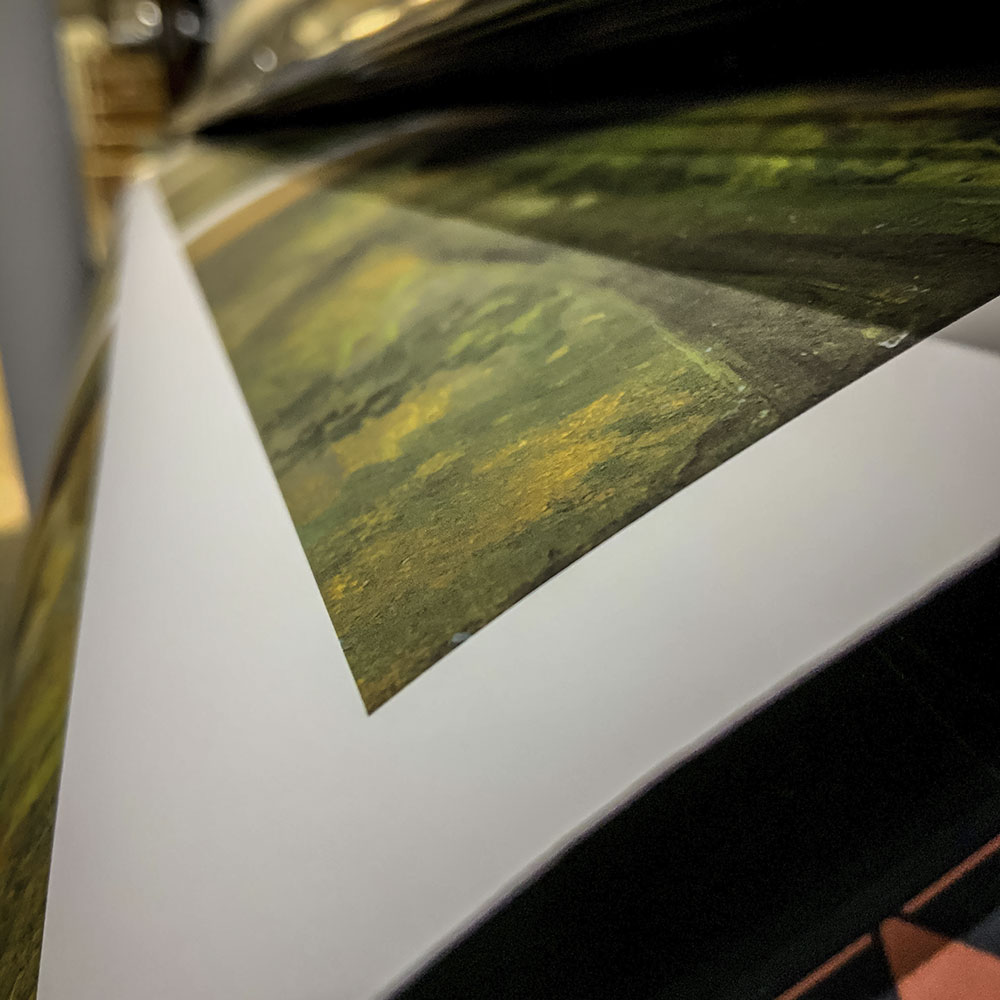
On-Demand Printing
All products are produced on-demand, in accordance with stringent production protocols designed to ensure consistent and superior quality.

Eduard Charlemont used studio props and a paid model to evoke a world of luxury and power and an architectural setting that resembles the Islamic palace of the Alhambra in Granada, Spain. (The canvas was once called The Alhambra Guard.) This work demonstrates the romantic lens through which white Europeans regarded the traditions, peoples, and places of Muslim Spain and the French colonies in West Africa. Although Charlemont painted few African subjects and was best known for portraits and depictions of European historical subjects, his singular ability to convey a model’s personality and to suggest different textures and surfaces is evident here. The name of the model who posed for this commanding figure standing in a palace doorway may never be known. The artist had recently come to Paris from Vienna and was little known when he exhibited this work to great acclaim at the 1878 Paris Salon.
Eduard Charlemont (Austrian, 1848–1906) was born in Vienna, the capital of Austria. His father was a professional artist who painted miniature portraits and encouraged his talented son to help in his workshop and learn from this practice. Charlemont went on to study painting at the Academy of Fine Arts Vienna and later traveled throughout Europe, eventually settling in Paris, the center of the art world in the 1800s. Charlemont lived in Paris for the next thirty years of his life and in that time he won several prizes at the Paris Salons, the annual government-sponsored exhibitions hosted by the Academie des Beaux-Arts. His masterwork was not a painting, but rather a series of murals created for Vienna’s city theater that each measured almost sixty feet in length.
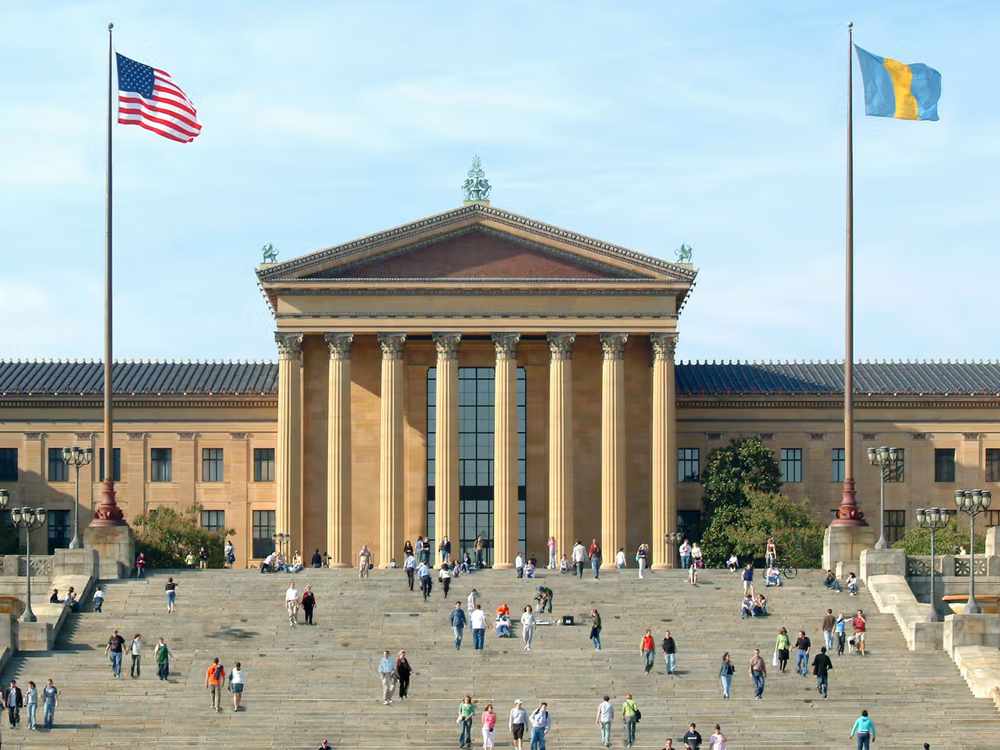
Source: Philadelphia Museum of Art